"The Park Where Time Stands Still: A Complete One-Day Mastery Guide to Nara, Japan (Historical Narrative & Kintetsu Railway Optimization)"
Greetings! I am a professional travel curator who analyzes destination value through data and uncovers hidden narratives to propose the ultimate travel routes. As March winds down and the cherry blossom season hits its peak, Osaka and Kyoto are teeming with crowds. According to current travel market data, searches for 'hidden gems' and suburban tours offering a 'sense of space' have surged by 45% year-over-year. Among these, 'Nara'—the capital of Japan in the 8th century—is more than just a tourist stop; it is the essence of ancient East Asian culture. To those who ask, "Isn't Nara just for looking at deer?" I offer this 2,000-character precision guide. Discover the true charm of Nara, where the grandeur of giant Buddhas meets the tranquility of wandering deer.
1. The Other Side of Nara: The Scent of Ancient History and Japan’s Roots
Nara, once known as 'Heijo-kyo', was a city where Japanese history bloomed brilliantly. For international travelers, it offers a window into the profound spiritual and architectural heritage of the East.
- Todai-ji Temple and the Great Buddha: Housing the world’s largest bronze Buddha statue, Todai-ji was built by Emperor Shomu to pray for national peace. Knowing that ancient master craftsmen from the Korean Peninsula (Baekje) played a pivotal role in casting this massive figure makes its benevolent smile feel even more significant.
- The Legend of Nara Park: The deer of Nara Park have been protected as 'messengers of the gods' based on the legend that a deity from Kasuga Taisha arrived riding a white deer. Today, roughly 1,200 deer coexist with humans, creating a unique scene of peace found nowhere else in the world.
- The Lanterns of Kasuga Taisha: Thousands of stone lanterns lining the path to the shrine are traces of prayers offered over centuries. Walking among these moss-covered lanterns in the deep forest provides an immersive experience into Japan's unique spiritual atmosphere.
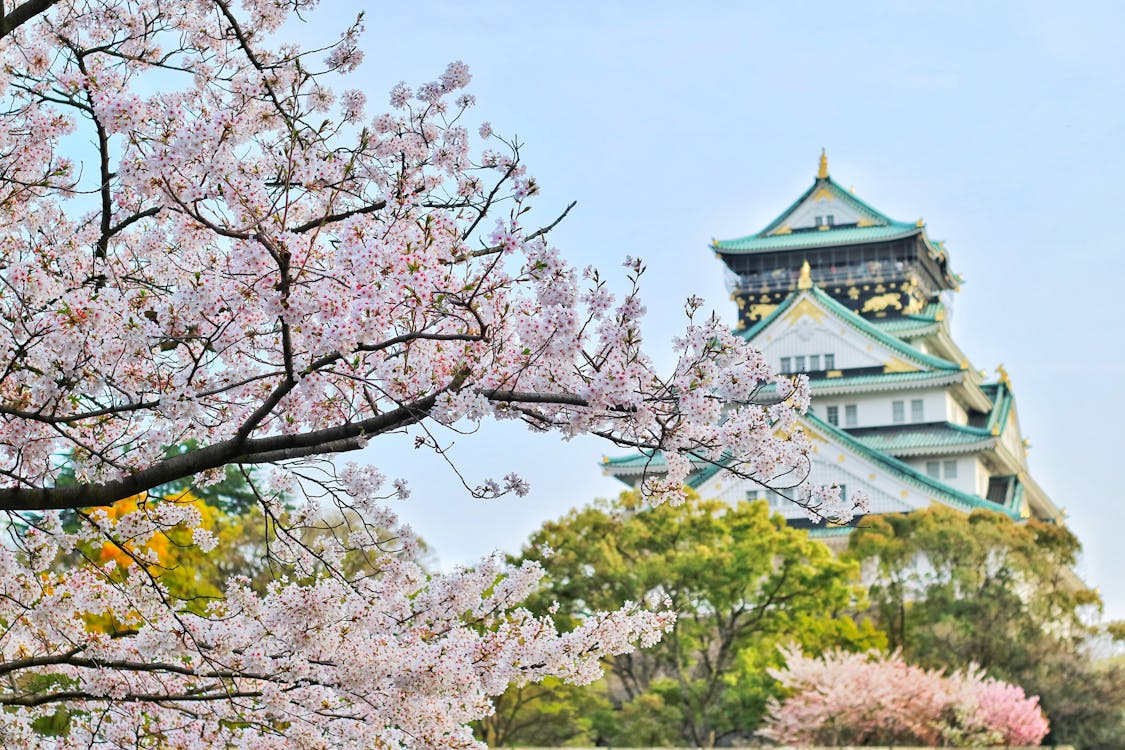
(Source: Pexels - The coexistence of nature and animals in Nara Park)
2. [Data-Driven] Nara Day Trip 'Route Optimization' via Kintetsu Railway
This itinerary is designed for travelers departing from Osaka Namba or Kyoto Station to minimize walking distance while maximizing the emotional experience.
| Time | Core Route | Detailed Guide & Pro-Tips |
|---|---|---|
| 09:00 | Arrive at Kintetsu-Nara Station | Kintetsu-Nara Station is much closer to major attractions than JR Nara Station. Grab a map at the tourist info center. |
| 10:30 | Todai-ji Temple | Admire the wooden Nio Guardian statues. Passing through the hole in one of the temple pillars is said to bring good luck. |
| 13:00 | Nara Park Picnic | Try buying 'Shika Senbei' (deer crackers). For lunch, try the local specialty 'Kakinoha-zushi' (persimmon leaf sushi). |
| 15:30 | Kasuga Taisha | A shrine in a primeval forest. Late afternoon sunlight filtering through the stone lanterns is truly magical. |
3. Critical Risk Management for a Perfect Nara Trip
⚠️ Essential Tips for a Flawless Visit
- ❗ Deer Warning: They are wild animals. They may bite clothes or nudge you for snacks. Show empty palms to signal "no more"—this is proper deer etiquette.
- ❗ Operational Fluctuations: Note that Todai-ji night openings or bus schedules may change. Booking Kintetsu Limited Express trains in advance is recommended during peak seasons.
- ❗ Manage Your Stamina: Nara Park is massive. Instead of over-walking, use the 'Gururu' loop bus to save your energy for the main sights.
- ❗ Restaurant Hours: Many restaurants in Nara close early. For a day trip, it is often safer to plan your dinner back in Osaka.
4. Expert’s Choice: Must-Have Items
- ✅ Kintetsu Rail Pass: A 1-Day pass is usually cheaper than individual tickets and includes local merchant discounts.
- ✅ Wet Wipes & Plastic Bags: Feeding deer can get messy (saliva/crumbs). Having hygiene supplies on hand is essential.
🙋♂️ Nara Travel: Top 3 FAQs
Q1. Should I go from Osaka or Kyoto?
A. Both are about 45 mins away. If staying in Namba, Osaka is better as it’s a direct line to Kintetsu-Nara.
Q2. Can I explore Nara alone without a tour?
A. Yes! Nara is exceptionally solo-friendly and well-signposted. A guide is only necessary if you want deep historical lectures.
Q3. Where do I buy deer crackers (Senbei)?
A. Authorized vendors sell them for around 200 yen throughout the park. Please never feed them human snacks.
"History is not the past, but the present we choose to remember." Nara is where the touch of ancient craftsmen and the gentle gaze of modern-day deer meet. A savvy traveler knows how to look beyond trends to enjoy the depth of a place. Wishing you a profound journey!
#NaraTravel #NaraPark #Todaiji #JapanDayTrip #KintetsuRailPass #OsakaSideTrip #KyotoSideTrip #DeerPark
'여행정보' 카테고리의 다른 글
| 유럽 야간 열차의 로망, 프라하 3박 4일 완전 정복: 역사적 서사와 생존 팁 (2026 최신판) (0) | 2026.04.02 |
|---|---|
| 해발 1,600m 구름이 머무는 곳: 베트남 사파(Sapa) 3박 4일 완벽 가이드 (역사 서사부터 안개 속 생존 팁까지) (1) | 2026.04.01 |
| 시간이 멈춘 사슴의 공원: 일본 나라(Nara) 당일치기 완전 정복 가이드 (역사 서사와 긴테쓰 열차 활용법) (0) | 2026.03.31 |
| 카지노 너머의 진짜 마카오: 3박 4일 '역사-미식-야경' 완전 정복 가이드 (도보 루트 및 생존 꿀팁) (3) | 2026.03.30 |
| "천년의 시간이 흐르는 노천박물관: 경주 1박 2일 KTX 기차 여행 완벽 가이드 (역사 서사부터 황리단길 꿀팁까지) (0) | 2026.03.27 |